Beyond the Hype: Leaders Share Where They Over-Invested in 2025

2025 didn’t just test tech—it humbled it.
From AI overpromises to SEO earthquakes to internal misalignments, the year delivered sharp reminders that progress is rarely linear.
Techronicler invited business leaders, thought leaders, and tech professionals to share one defining setback and the concrete steps they’re taking to flip the script in 2026.
These aren’t polished PR spins; they’re post-mortems with teeth—stories of lost traffic, eroded trust, wasted cycles, and the hard choices that followed.
What emerges is a mosaic of resilience: tighter governance, smarter bets, deeper listening, and less tolerance for hype.
On Techronicler, we explore how the most painful lessons often become the strongest foundations.
Ever wonder which 2025 disaster is quietly fueling someone’s biggest 2026 comeback?
The answers might change how you play the game.
Read on!
Simplify Tools; Restore Conversations to Maintain Progress
In 2025, we adopted a new project management platform to track our property renovations, but it was too complex and impersonal for our small, local contracting partners.
It led to miscommunications and delays because it replaced the simple phone calls and site visits they were used to.
For 2026, we’ve gone back to basics: we use a simple shared calendar for deadlines, but all the important details are handled with a personal conversation, ensuring our local relationships, which are the heart of my business, always come first.

Skip Faceless Ads; Show Up for Reno
In 2025, I got talked into a high-tech, targeted digital advertising service that fell completely flat because it lacked the personal touch our community knows us for–people in tough situations want to see a familiar, trustworthy face.
For 2026, we’ve reinvested that budget back into local TV spots featuring my boys and me, and sponsoring community events.
In a town like Reno, true connection is built by showing up for your neighbors, not just showing up in their social media feed.

Joel Janson
Owner, Sierra Homebuyers
Favor Local Reliability over Fragile E-Signatures
Last year, I underestimated the headaches that came from trusting a third-party online signing tool with sensitive property documents–one system outage meant closing delays and a few frustrated homeowners.
For 2026, I’ve partnered with a reputable local title company for all digital signings and created an in-house protocol for double-checking every critical file, ensuring our team always has document access and our sellers stay confident in the closing process.
Sometimes old-school reliability, backed by strong local relationships, trumps the flashiest new tech.

Anthony Warren
Founder, Integrity House Buyers
Analytics Starts; Human Due Diligence Prevents Pitfalls
Back in 2025, I let a predictive analytics tool steer our investment property acquisitions too heavily, thinking its algorithms would spot undervalued gems in my target markets.
What actually happened? It kept flagging properties with tax liens or boundary disputes as ‘high potential,’ which wasted our time and nearly got us into messy legal situations right before closing.
Now, for 2026, I’ve created a layered approach: the AI does the first sweep for basic criteria, but then every single property gets vetted by my local team–including cross-referencing with county records over coffee and actually walking the neighborhood–because three decades in community development taught me that true due diligence requires human insight more than raw data.

Lewis Hammond
Marketing Director, Bright Future Home Buyers
Adopt Phone-First Tools to Solve Problems Fast
In 2025, I made the mistake of switching to a new property management software that promised to streamline our rental portfolio, but it had terrible mobile functionality that left me scrambling during emergencies–like when a tenant called about a burst pipe at 10 PM and I couldn’t access contractor contacts from my phone.
For 2026, I’ve implemented a simple rule: any tech we use has to work flawlessly on my phone first, because in real estate, especially with 40 doors to manage, being able to solve problems on the spot is more important than having fancy features that only work at my desk.

Custom CRM Syncs Routes, Delivers Accurate Arrival Windows
One tech slip we had to endure in 2025 involved relying too heavily on a basic third-party scheduling app for our preventive maintenance calls.
The app wasn’t syncing correctly with our technicians’ routes across San Antonio, which led to us overpromising appointment windows and frustrating some of our long-term “Comfy Club” customers.
It wasn’t a catastrophic failure, but in the service business, being late is failing, and that basic technology was actually slowing down our human team instead of supporting them.
The key lesson was that custom automation is better than cheap convenience.
We realized we couldn’t rely on a one-size-fits-all solution; we needed tech tailored to the complex logistics of HVAC.
So, for 2026, we’ve invested in a proprietary CRM integration that specifically ties our maintenance contracts, our inventory levels, and our technician locations into one platform.
This allows us to predict the exact time a technician finishes one job and provide a highly accurate arrival window for the next.
We’ve set things up so the system proactively manages the schedule, freeing up our dispatch manager to focus on human communication, not fighting software glitches.
Our 2026 setup prioritizes real-time data that ensures accuracy and speed.
Our goal is simple: eliminate those frustrating ten-minute delays that add up over a busy summer day.
By making our tech work for our team, we ensure our team can focus entirely on serving the customer.

Rushed AI Recommendations Caused Mismatches
Our big tech stumble in 2025 was rolling out a new AI-powered property recommendation engine before thoroughly validating the training data, which led to mismatches and user drop-offs over several weeks.
We responded by halting the rollout, gathering user feedback, and bringing in outside machine learning consultants to audit and retrain the model.
For 2026, we’ve implemented a “beta test by invitation” process for major tech launches, and now require a third-party review before deploying any customer-facing AI feature.
This switch from move-fast to measured-release has restored user trust and is improving our launch success rate already.

Mark Sanchez
Founder, Gator Rated
Over-Investing AI Ignored Core Needs
One slip we made in 2025 was over-investing in AI too quickly.
The AI wave was so strong that we assumed it would dominate our sales pipeline.
What we didn’t anticipate was the knock-on effect: businesses suddenly realised they could not benefit from AI until their foundations were modernised.
That triggered a surge in demand for traditional technologies such as WordPress, Laravel, Node.js, system upgrades and API consolidation.
Our AI team ended up underutilised while our core development team was overstretched and relying on freelancers.
For 2026, we’re correcting the balance. AI remains central, but capacity planning must reflect where organisations truly are, not where the market narrative says they are.
My lesson as a software agency leader: don’t chase trends blindly.
Assess, prepare and stay adaptable.

Rehan Ahmed
Director, Smart Web Agency
Legacy Integration Delayed Chatbot Rollout
In 2025, we underestimated the complexity of integrating AI-powered chatbots with legacy real estate CRM systems.
This led to project delays and client frustration.
For 2026, we’ve shifted to a phased rollout approach, starting with pilot integrations and expanding only after thorough testing.
We’ve also increased collaboration with client IT teams early in the process, which has helped us spot compatibility issues sooner and adjust timelines realistically.
This experience reinforced the need for clear communication and incremental progress when deploying new tech in established industries.
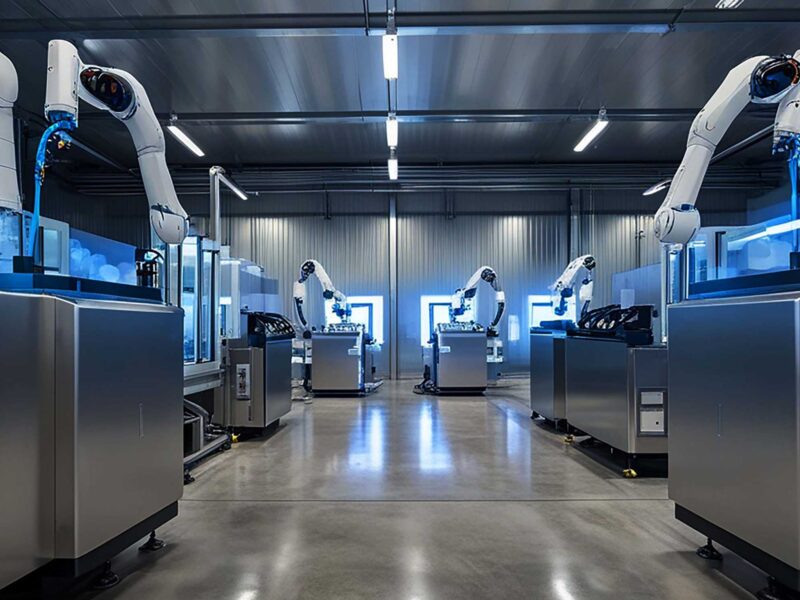
One major lag in manufacturing that slows robotics innovation is the slow pace of hardware standardization.
Many factories use legacy systems that are difficult to integrate with new robotics platforms.
This creates friction and raises costs for deploying advanced robotics.
To maintain a software edge, the industry needs to prioritize interoperability and invest in modular, upgradable systems that can work with a range of robotics solutions.
By focusing on open standards and robust APIs, manufacturers can enable faster deployment and ensure their operations are ready to adopt the next wave of robotics innovation.

Adam Dodd
Founder & CEO, AdamAutoAILiz Lord
On behalf of the Techronicler community of readers, we thank these leaders and experts for taking the time to share valuable insights that stem from years of experience and in-depth expertise in their respective niches.
If you wish to showcase your experience and expertise, participate in industry-leading discussions, and add visibility and impact to your personal brand and business, get in touch with the Techronicler team to feature in our fast-growing publication.
Individual Contributors:
Answer our latest queries and submit your unique insights:
https://bit.ly/SubmitBrandWorxInsight
Submit your article:
https://bit.ly/SubmitBrandWorxArticle
PR Representatives:
Answer the latest queries and submit insights for your client:
https://bit.ly/BrandWorxInsightSubmissions
Submit an article for your client:
https://bit.ly/BrandWorxArticleSubmissions
Please direct any additional questions to: connect@brandworx.digital