© All rights reserved. Powered by Techronicler



The AI Power Crunch: Why Regional Electricity Rates are Diverging Across the U.S.
By Adam Cain
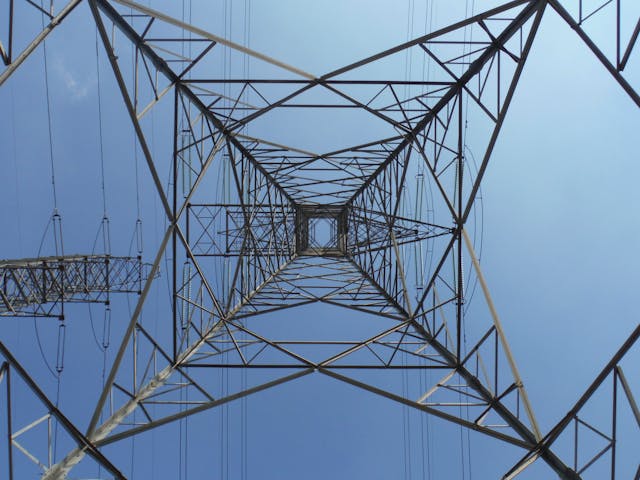
The U.S. electricity market is entering a very complex era. For years, pricing volatility was largely driven by weather, fuel costs, and regional infrastructure constraints. Today, my team and I are tracking additional forces that are reshaping power markets in real time, from AI-driven demand growth to record-setting capacity auctions.
At ElectricityRates.com, we monitor wholesale markets, deregulated retail pricing, and consumer switching behavior across major U.S. regions. What we’re seeing in 2026 suggests structural change, not temporary turbulence.
Below are the five major trends emerging across U.S. power markets.
Regional Rate Divergence Is Widening
Electricity pricing is increasingly local – and increasingly fragmented.
In markets overseen by PJM Interconnection, ERCOT, ISO New England, and California ISO, we’re observing widening differences in wholesale clearing prices, capacity procurement costs, and forward rate expectations.
Consumers often assume there’s a “national average” electricity trend. In reality, rate pressure in Northern Virginia looks very different from rate pressure in Houston or Boston.
The takeaway: geography matters more than ever.
Capacity Prices Are Becoming a Leading Indicator
One of the clearest signals came from PJM’s latest capacity auction for the 2025–2026 delivery year. The auction cleared at $329.17 per megawatt-day, a record level and roughly 22% higher year-over-year.
Capacity markets are often misunderstood. They are not energy purchases; they are payments to ensure enough generation will be available during peak demand periods. When capacity prices rise, it signals tighter supply margins and higher forward risk, and those costs typically flow through to consumers over time.
Capacity auctions have become an early warning system for retail pricing pressure.
AI Load Growth Is Concentrated And Material
The rise of artificial intelligence is no longer theoretical for grid operators.
Data center announcements nearly tripled in early 2024, translating into approximately 24 gigawatts of additional projected load, with estimates exceeding 50 GW by 2030. That growth is not evenly distributed.
Clusters are forming in:
- Northern Virginia (within PJM territory)
- Texas (ERCOT)
- Ohio
- Georgia
- Arizona
These regions are experiencing accelerated interconnection queues, transmission upgrades, and forward procurement adjustments.
AI demand is not replacing traditional drivers of electricity consumption. In fact, it’s layering on top of them. Electrification of vehicles, heating systems, and industrial processes continues simultaneously. The result is sustained upward pressure in specific zones.
Consumer Switching Behavior Is Becoming More Strategic
In deregulated markets, roughly 67 million Americans have the ability to choose their electricity supplier. Historically, many did not.
We’re now observing measurable shifts in behavior:
- Increased lock-in of fixed-rate plans during volatility cycles
- More frequent comparison shopping following capacity auction headlines
- Seasonal switching tied to summer and winter demand peaks
- Growing interest in usage transparency and plan structure
Retail consumers are beginning to treat electricity more like insurance or mortgage products, something to evaluate strategically rather than ignore.
Volatility tends to accelerate engagement.
Solar Economics Are Shifting Again
Rate inflation is quietly altering residential solar payback calculations in several markets.
Higher retail electricity prices improve savings projections in some regions, while net metering reforms and incentive changes create uncertainty in others. The economics are no longer uniform nationwide.
Where retail prices are rising faster than equipment costs, solar adoption interest tends to increase. Where policy frameworks are tightening, the math becomes more nuanced.
Solar remains a regional equation, not a national one.
What This Means for 2026
Three themes are becoming clear:
- Electricity volatility is becoming structural, not cyclical.
- Technology-driven load growth is reshaping demand curves.
- Regional fragmentation is increasing complexity for consumers.
For households and businesses in deregulated markets, access to pricing transparency and plan comparison tools is a risk management decision.
We expect continued divergence across grid territories, more forward-looking pricing signals from capacity markets, and sustained load growth tied to AI infrastructure expansion. The electricity market is evolving faster than most consumers realize. The data suggests this is looking like the beginning of a more dynamic energy economy.

Adam Cain
Adam Cain is an energy markets analyst at ElectricityRates.com, where he tracks wholesale pricing trends, deregulated retail electricity markets, and consumer switching behavior across the United States.
If you wish to showcase your experience and expertise, participate in industry-leading discussions, and add visibility and impact to your personal brand and business, get in touch with the Techronicler team to feature in our fast-growing publication.
Individual Contributors:
Answer our latest queries and submit your unique insights:
https://bit.ly/SubmitBrandWorxInsight
Submit your article:
https://bit.ly/SubmitBrandWorxArticle
PR Representatives:
Answer the latest queries and submit insights for your client:
https://bit.ly/BrandWorxInsightSubmissions
Submit an article for your client:
https://bit.ly/BrandWorxArticleSubmissions
Please direct any additional questions to: connect@brandworx.digital